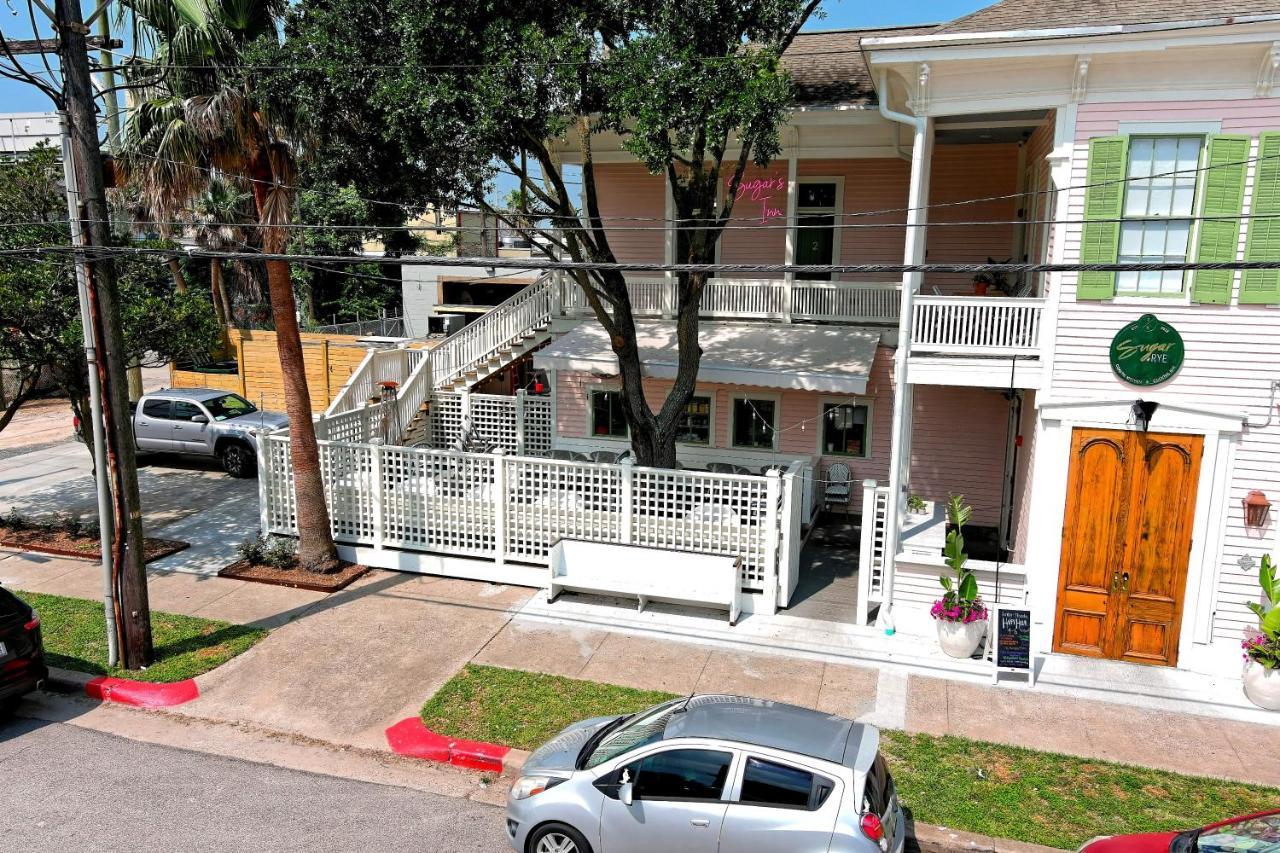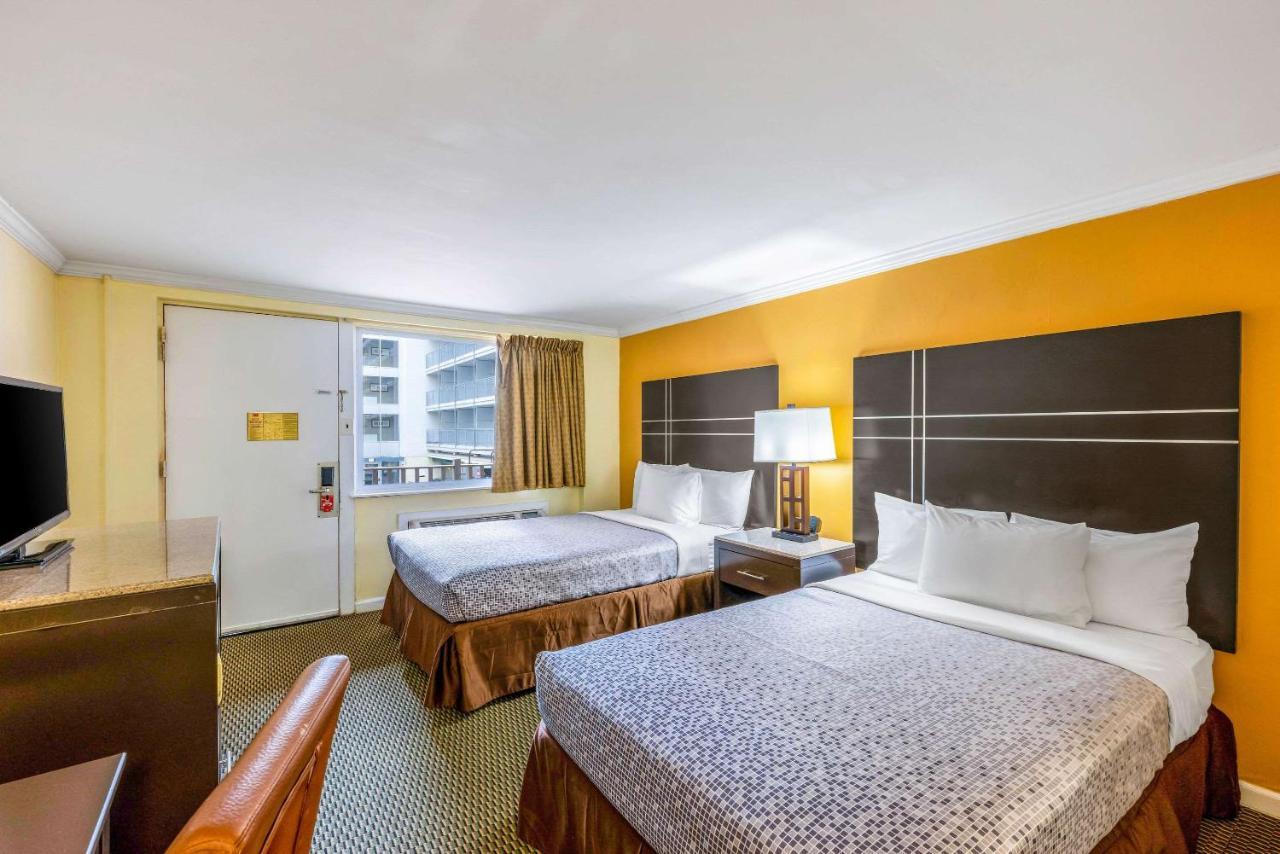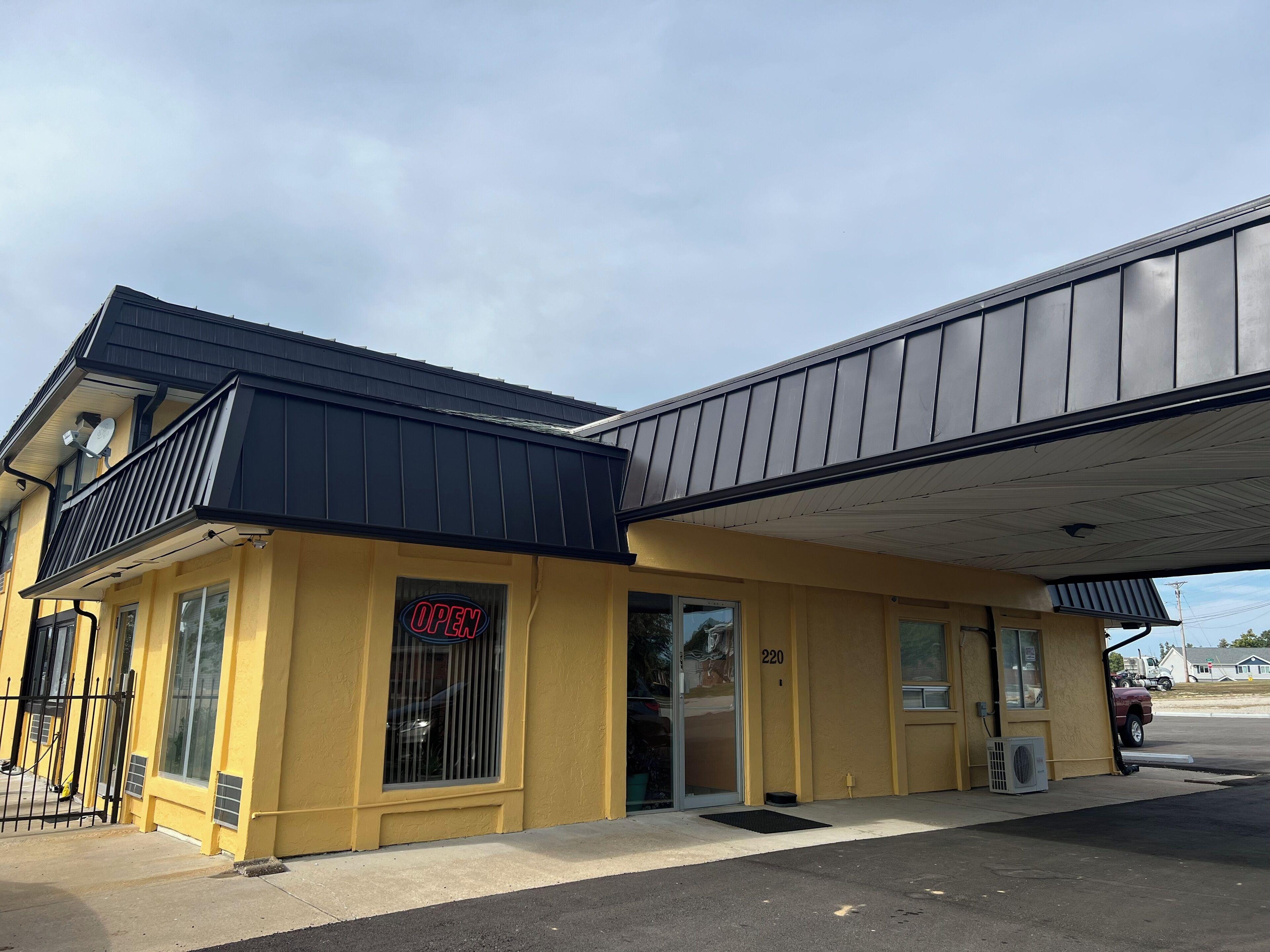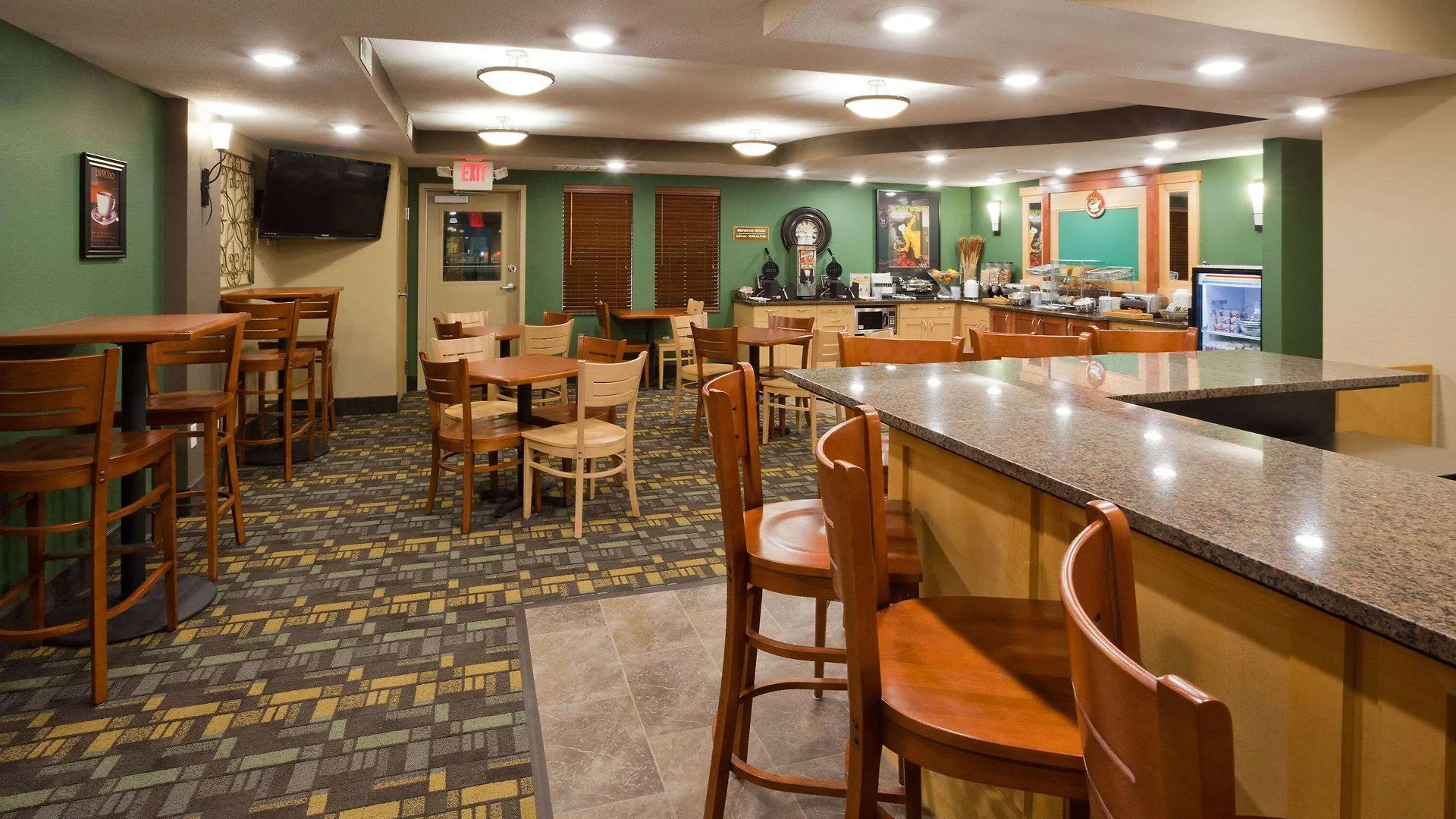
Minnesota spans over 86,000 square miles, so choosing a centrally located hotel isn't just about comfort - it's a strategic decision that directly affects how much you see and how much you spend on transport. From the historic rivertown of Stillwater to the urban core of Minneapolis and the lake country of Spicer and Richmond, the state's geography rewards travelers who plan their base carefully. This guide covers 9 centrally positioned hotels across Minnesota's most visited areas to help you make the right booking decision.
What It's Like Staying in Minnesota
Minnesota is defined by its dramatic seasonal contrast - brutal winters that drop well below freezing and warm summers that draw millions to over 10,000 lakes. Getting around requires a car in most parts of the state; public transit is only practical within Minneapolis and Saint Paul. Outside the Twin Cities metro, towns are often far apart, so positioning your hotel near your primary destination matters far more than in a dense urban environment.
The tourism rhythm peaks in summer (June-August) when lake resorts, state parks, and outdoor festivals fill up fast. Minneapolis attracts year-round visitors for sports events, music, and food, while rural areas like Ely and Spicer are decidedly seasonal. Travelers who prefer walkable city access will find Minneapolis and Stillwater most accommodating, while anyone chasing nature and quiet will be better served by the lake-country properties.
Pros:
- Diverse geography means one trip can combine city culture, lake recreation, and forested wilderness
- Hotels outside the Twin Cities typically offer free parking and lower nightly rates than urban counterparts
- Minnesota's lake towns have a genuinely unhurried pace with direct waterfront or beach access from many properties
Cons:
- A car is essential for most itineraries - ride-share coverage outside Minneapolis and Saint Paul is unreliable
- Winter travel (November-March) limits outdoor activities significantly and can disrupt road conditions
- Rural hotel options are limited in variety, so availability fills up fast during summer weekends
Why Choose Central Hotels in Minnesota
Central hotels in Minnesota are strategically positioned relative to a town's or city's key attractions, transport links, and dining corridors - which in a state this large, translates to real savings in daily driving time. In Minneapolis, a centrally located hotel can put you within walking distance of Target Center, Nicollet Mall, and the light rail system. In smaller towns like Northfield or Stillwater, a central property means you can explore the historic downtown on foot without moving your car. Centrally positioned hotels in Minnesota tend to cost around 20% more than properties on the outskirts, but that premium often offsets parking fees, gas costs, and time lost commuting.
Room sizes at central hotels vary significantly by city. Downtown Minneapolis properties lean toward boutique-style layouts with polished finishes but smaller footprints. In smaller cities and lake towns, central hotels often include larger rooms or cottage-style units with full kitchens and outdoor spaces - features rarely found at urban equivalents. The trade-off in denser locations is street noise and limited parking, while rural central hotels are quieter but may have fewer nearby dining options after 9 PM.
Pros:
- Walkability to key attractions eliminates the need to move your car multiple times per day
- Many central Minnesota hotels include free parking, breakfast, and Wi-Fi - reducing total trip cost
- Properties in lake towns and small cities often offer resort-style amenities (pools, spas, boat rentals) at 3-star price points
Cons:
- Central Minneapolis hotels have limited free parking and higher nightly rates than suburban options
- Some centrally located small-town hotels have limited on-site dining, relying on nearby restaurants that may close early
- Summer weekends near lakes see rates spike sharply, and last-minute availability becomes scarce
Practical Booking & Area Strategy for Minnesota
Minneapolis is the logical base for first-time visitors - the Metro Transit light rail connects the airport, Mall of America, and downtown in under 30 minutes, making it the only area in Minnesota where a car is genuinely optional. Stillwater, roughly 45 minutes east of Minneapolis, is an excellent second-base option for travelers interested in the St. Croix River Valley, antique shops, and a walkable historic main street. For lake-country travelers, Spicer and Richmond sit in the heart of Kandiyohi and Stearns County lake districts, where most attractions - fishing, boating, golf - are within a short drive.
Book at least 8 weeks ahead for summer lake-area stays, particularly for weekends in July and August when occupancy at waterfront properties reaches capacity fast. In Northfield, the town's small-college-town character keeps foot traffic moderate outside of the famous Defeat of Jesse James Days in September, when room availability drops sharply. East Grand Forks hotels near the North Dakota border serve travelers stopping en route between the Twin Cities and Fargo, making them practical overnight points rather than destination stays. Ely, gateway to the Boundary Waters Canoe Area Wilderness, draws paddlers and hikers from May through October - plan around permit windows if that's your goal.
Best Value Central Hotels in Minnesota
These properties deliver strong positioning relative to their surroundings - waterfront access, town-center proximity, or key corridor placement - at 3-star price points with included amenities that meaningfully reduce overall trip cost.
-
1. Surestay Hotel By Best Western Spicer
Show on map


 Check-infrom 15:00 until 23:59Check-outuntil 11:00
Just a few rooms left at the best rate!
fromUS$ 269
-
2. Americinn By Wyndham Hawley
Show on map


 Check-infrom 15:00 until 23:59Check-outuntil 11:00
Just a few rooms left at the best rate!
fromUS$ 93
-
3. Riverside Resort
Show on map


 Check-infrom 16:00 until 19:00Check-outuntil 10:00
Just a few rooms left at the best rate!
fromUS$ 354
-
4. Country Inn & Suites By Radisson, Northfield, Mn
Show on map


 Check-infrom 15:00 until 23:59Check-outuntil 12:00
Hurry – almost gone at this price!
fromUS$ 91
-
5. Fairfield Inn & Suites By Marriott East Grand Forks
Show on map


 Check-infrom 15:00 until 23:59Check-outuntil 12:00
Hurry – almost gone at this price!
fromUS$ 115
Best Premium Central Hotels in Minnesota
These properties offer elevated positioning, distinctive character, or standout amenities that justify a higher nightly rate - particularly for travelers prioritizing atmosphere, downtown access, or full-service hotel infrastructure.
-
6. Canoe On Inn
Show on map


 Check-infrom 15:00 until 21:00Check-outuntil 11:00
Hurry – almost gone at this price!
fromUS$ 155
-
7. Hotel Crosby
Show on map


 Check-infrom 15:00 until 23:00Check-outfrom 05:00 until 11:00
Rooms filling fast – secure the best rate!
fromUS$ 149
-
3. Aurora Staples Inn
Show on map


 Check-infrom 16:00 until 18:00Check-outuntil 11:00
Rooms filling fast – secure the best rate!
fromUS$ 234
-
4. The Lofton Hotel Minneapolis, Tapestry Collection By Hilton
Show on map


 Check-infrom 16:00 until 23:59Check-outuntil 11:00
Rooms filling fast – secure the best rate!
fromUS$ 169
Smart Travel & Timing Advice for Minnesota Hotels
Summer in Minnesota - specifically late June through mid-August - is peak season across virtually all regions. Lake-area properties in Spicer, Richmond, and Ely fill up on weekends by early spring, and nightly rates can rise by around 35% compared to shoulder-season pricing. Book lake-country properties at least 8 weeks in advance for any July or August weekend stay. Minneapolis hotels follow a different pattern: rates spike around major sports events (Vikings, Twins, Timberwolves), concerts at Target Center or Xcel Energy Center, and convention weeks at the Minneapolis Convention Center - which can be harder to predict without checking event calendars in advance.
For Stillwater, autumn (September-October) is arguably the best time to visit - fall foliage along the St. Croix River Valley draws visitors but crowds remain lighter than summer, and Hotel Crosby and Aurora Staples Inn both offer a more relaxed atmosphere during this window. Northfield's September event calendar peaks dramatically during Defeat of Jesse James Days, when the town's limited hotel stock sells out weeks in advance. Ely and the Boundary Waters are best visited May through September, with June offering the best balance of weather, trail conditions, and paddling water levels without the peak-August congestion. For any Minnesota trip lasting more than 3 nights, consider splitting your base between a lake-area property and a Minneapolis hotel to capture both the outdoor and urban dimensions of the state.