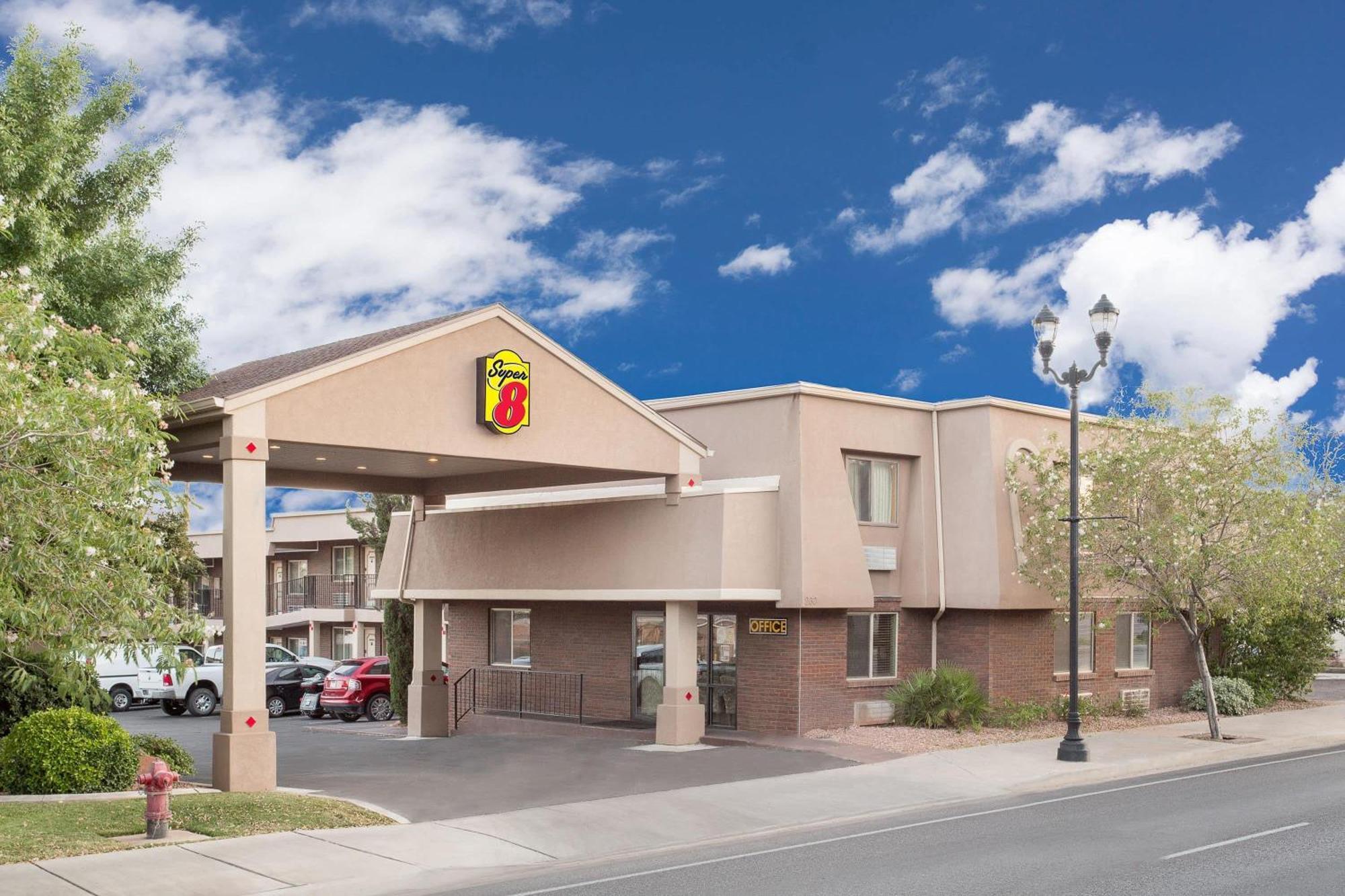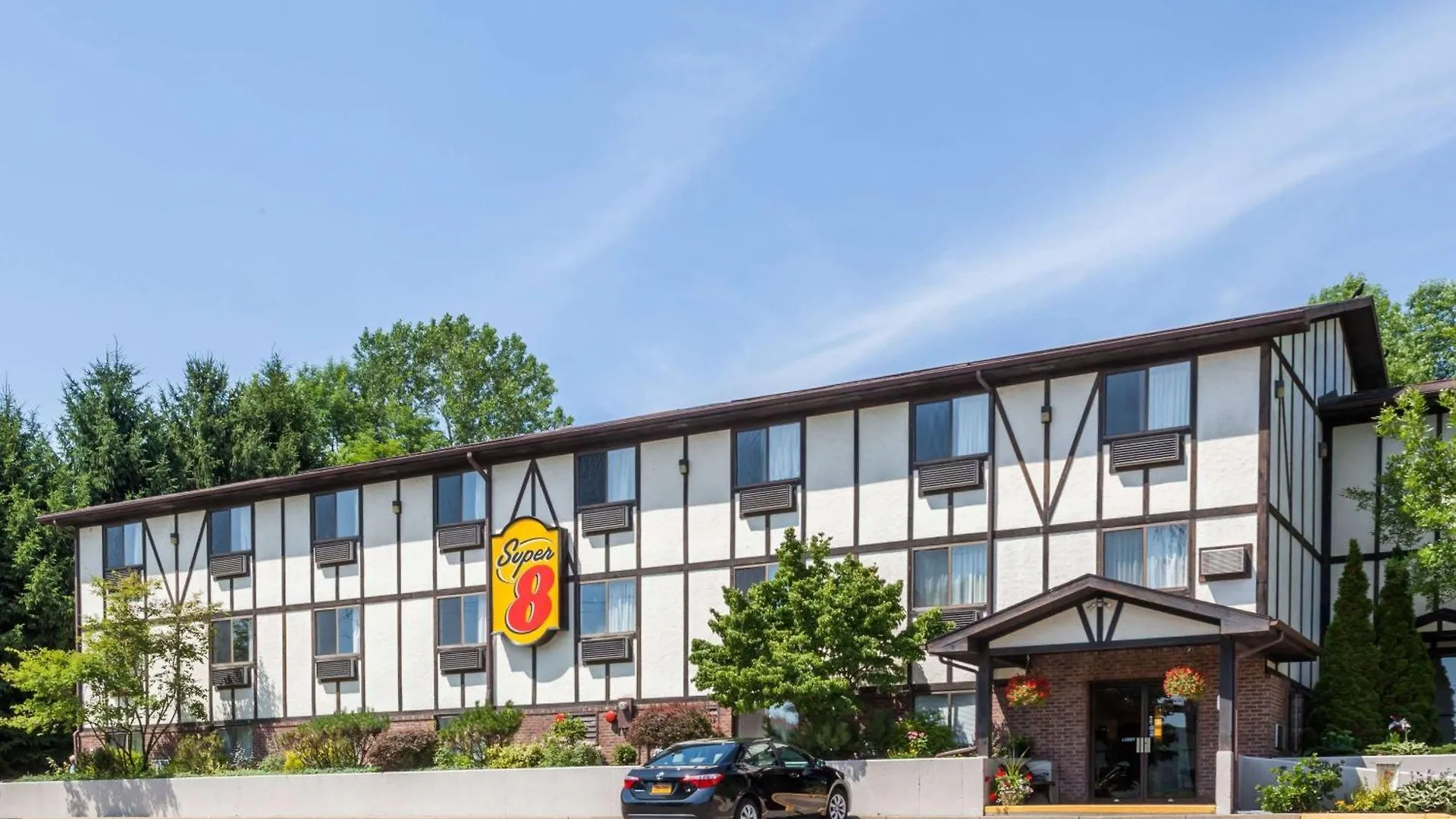
The Appalachian Mountains stretch over 2,400 kilometers across the eastern United States, covering key gateway towns in New York, Pennsylvania, Virginia, and Tennessee - each offering a distinct entry point into the region's trail systems, historic sites, and scenic drives. Super 8 by Wyndham properties are strategically positioned in several of these towns, making them a practical base for road trippers, hikers, and budget-conscious travelers who need reliable amenities without paying resort prices. This guide breaks down all available Super 8 by Wyndham locations near the Appalachian Mountains to help you pick the right base for your itinerary.
What It's Like Staying in the Appalachian Mountains
Staying in the Appalachian Mountains means choosing between small towns and rural corridors rather than urban hotel districts - most accommodations are located along highway exits or on the outskirts of towns like Abingdon, Cobleskill, or Clinton, making a car essential for virtually every activity. The region spans multiple states, so your base town determines which trails, parks, and cultural landmarks are within reach on any given day. Crowds peak sharply in fall foliage season (late September through October) and during summer hiking months, when availability in smaller towns can drop by around 30%.
Pros:
- Direct access to trail systems, state forests, and scenic byways without urban congestion
- Small-town bases offer free or low-cost parking - a significant advantage for road trippers with gear
- Quieter nighttime atmosphere compared to city-center stays, better for early morning trail starts
Cons:
- No walkability - a car is non-negotiable for reaching attractions, restaurants, and trailheads
- Limited late-night dining and entertainment options in most gateway towns
- Cell and WiFi coverage can be inconsistent once you leave the town center or highway corridor
Why Choose Super 8 by Wyndham in the Appalachian Mountains
Super 8 by Wyndham properties in the Appalachian region fill a specific niche: they are highway-adjacent, consistently branded, and priced well below regional resort or boutique options - typically running around 40% less per night than comparable mid-scale chain hotels in the same towns during peak season. Free parking and free WiFi are standard across all locations, which matters when you're arriving with packed vehicles, bikes, or hiking equipment. The trade-off is room size and aesthetic - these are functional, no-frills rooms designed for overnight stops rather than extended leisure stays.
Pros:
- Free parking at every location - critical for travelers with trailers, kayaks, or bikes
- Wyndham Rewards program lets frequent travelers accumulate points across all Appalachian stops
- Continental or grab-and-go breakfast included at most properties, reducing morning costs before long drives or hikes
Cons:
- Room sizes are compact - not suited for families expecting suite-style space without booking specific family rooms
- Highway-adjacent positioning means road noise can be noticeable, especially at properties near Interstate 80
- Limited on-site amenities - most locations do not have pools or full-service restaurants
Practical Booking & Area Strategy for the Appalachian Mountains
Choosing the right town base along the Appalachians depends heavily on your planned activities. The Tennessee corridor - anchored by Clinton - gives closest access to Great Smoky Mountains National Park and Knoxville's East Tennessee History Center, while the Virginia base in Abingdon puts you within reach of the Virginia Creeper Trail and Bristol Motor Speedway just 37 km away. In New York's Catskill-adjacent towns like Cobleskill and Sidney, travelers gain access to Glimmerglass Opera, Floodwood Mountain, and SUNY Oneonta's surrounding hiking areas. Pennsylvania properties in Danville and Greencastle serve as practical stops on north-south Appalachian road trips, with Knoebels Amusement Resort and Sachs Covered Bridge nearby respectively. Book at least 6 weeks ahead for October foliage weekends across all locations, as small-town inventory sells out faster than most travelers expect. For flexibility in shoulder season (November and March), last-minute rates can drop significantly at these properties.
Best Value Stays
These Super 8 by Wyndham properties offer strong location-to-price ratios for travelers using the Appalachian Mountains as a road trip corridor, with highway access, included breakfast, and free parking as consistent advantages.
-
1. Super 8 By Wyndham Norwich
Show on map


 Check-infrom 15:00 until 23:59Check-outuntil 11:00
Just a few rooms left at the best rate!
fromUS$ 126
-
2. Super 8 By Wyndham Abingdon Va
Show on map


 Check-infrom 15:00 until 23:59Check-outuntil 11:00
Just a few rooms left at the best rate!
fromUS$ 58
-
3. Super 8 By Wyndham Sidney Ny
Show on map


 Check-infrom 14:00 until 23:59Check-outuntil 11:00
Just a few rooms left at the best rate!
fromUS$ 85
-
4. Super 8 By Wyndham Cobleskill Ny
Show on map


 Check-infrom 15:00 until 23:59Check-outuntil 11:00
Hurry – almost gone at this price!
fromUS$ 67
-
5. Super 8 By Wyndham Danville
Show on map


 Check-infrom 15:00 until 23:59Check-outuntil 11:00
Hurry – almost gone at this price!
fromUS$ 53
-
6. Super 8 By Wyndham Greencastle
Show on map


 Check-infrom 15:00 until 23:59Check-outuntil 11:00
Rooms filling fast – secure the best rate!
fromUS$ 77
-
7. Super 8 By Wyndham Clinton Tn
Show on map


 Check-infrom 14:00 until 23:59Check-outuntil 11:00
Rooms filling fast – secure the best rate!
fromUS$ 61
Smart Travel & Timing Advice for the Appalachian Mountains
The Appalachian Mountains have two distinct peak windows: summer (June-August) for hiking and outdoor activity, and fall (late September through October) for foliage - the latter being the most competitive booking period across all gateway towns. Prices at budget properties like Super 8 by Wyndham can spike by around 25% during peak foliage weekends, and rooms in small towns like Cobleskill or Abingdon sell out faster than travelers typically expect. The shoulder seasons - May and November - offer the best combination of lower rates, thinner crowds, and still-accessible trails, though higher elevations may see early snow in November. Book at least 6 weeks ahead for any October travel, especially in Virginia and New York where foliage tourism is most concentrated. For winter travel along the Pennsylvania or Tennessee corridors, last-minute availability is common and rates drop significantly, though some trailheads and scenic attractions have reduced access. A minimum of 2 nights per base town is recommended to properly explore surrounding trail systems and day-trip destinations without spending most of your time driving between hotels.